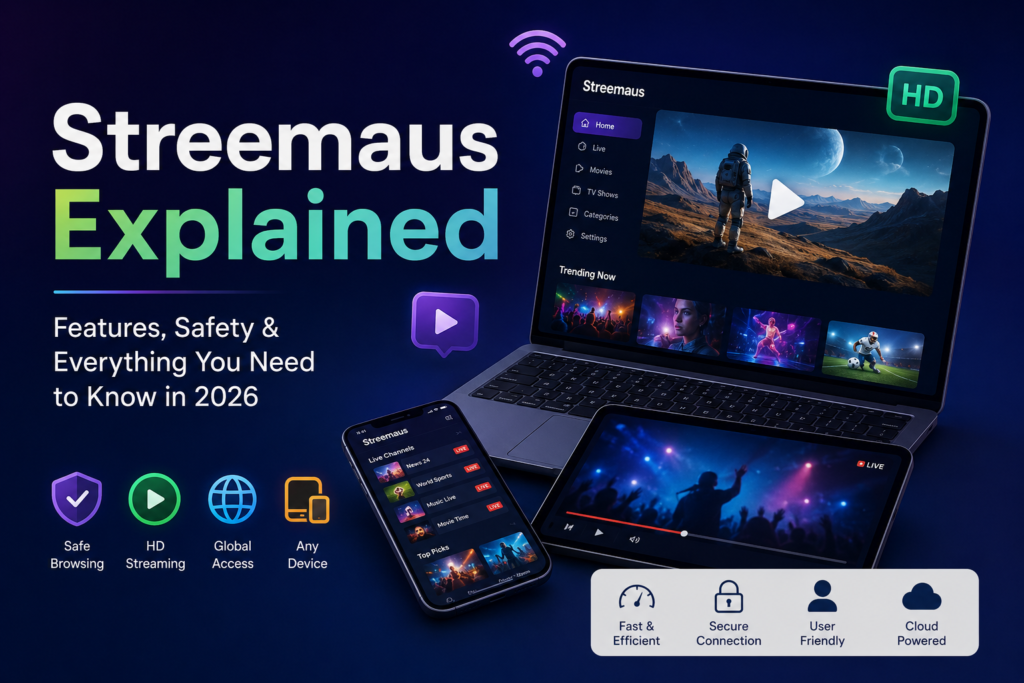

The online streaming landscape continues to evolve rapidly, offering viewers countless ways to access entertainment, live broadcasts, and digital content. Among the names that frequently appear in online discussions is Streemaus, a platform that has attracted attention from users looking for convenient streaming options.
As streaming technology advances in 2026, people want platforms that are fast, accessible, easy to use, and capable of delivering high-quality content across multiple devices. Understanding how Streemaus works, what features it offers, and whether it is safe to use has become increasingly important for both casual viewers and digital enthusiasts.
This comprehensive guide explores everything you need to know about Streemaus, including its functionality, features, user experience, safety considerations, legal aspects, and future relevance in the streaming industry.
What Is Streemaus?
Streemaus is commonly described as a browser-based streaming platform that allows users to access video content without requiring extensive software installation. Its growing popularity stems from the convenience of online streaming and the increasing demand for digital entertainment.
Unlike traditional television services, streaming platforms enable viewers to watch content on demand from computers, smartphones, tablets, and smart TVs. Streemaus represents this modern approach to content consumption, emphasizing accessibility and ease of use.
The platform is often associated with users seeking quick access to media content through a web browser. As internet speeds improve worldwide, browser-based streaming solutions continue gaining traction because they reduce technical barriers for everyday users.
How Streemaus Works
At its core, Streemaus relies on streaming technology that delivers video data over the internet in real time. Instead of downloading entire files before playback begins, streaming platforms transmit small portions of content continuously.
This process generally involves:
- Content hosting on remote servers.
- Video compression for efficient delivery.
- Adaptive streaming based on internet speed.
- Browser-based playback technology.
- Device compatibility across multiple platforms.
When a user selects content, the streaming system automatically adjusts video quality according to available bandwidth. This ensures smoother playback and minimizes buffering interruptions.
Modern streaming services similar to Streemaus often utilize adaptive bitrate streaming, which dynamically changes video resolution to maintain a consistent viewing experience.
Key Features of Streemaus
The growing interest in Streemaus can largely be attributed to its user-focused features. While specific functionalities may evolve over time, several characteristics are commonly associated with browser-based streaming platforms.
Easy Browser Access
One of the primary attractions is the ability to access content directly through a web browser. Users typically do not need complex installations or specialized hardware.
Multi-Device Compatibility
Streaming audiences expect flexibility. Modern platforms generally support:
- Desktop computers
- Laptops
- Smartphones
- Tablets
- Smart TVs
This cross-device accessibility allows users to continue watching content regardless of location.
Search and Discovery Functions
Content discovery plays a major role in user satisfaction. Effective search tools help viewers locate desired media quickly without navigating complicated menus.
Responsive Interface
Many users appreciate clean layouts and intuitive navigation. A well-designed interface reduces learning curves and enhances engagement.
Adaptive Video Playback
Adaptive streaming technology automatically adjusts playback quality to suit changing internet conditions, helping maintain a stable viewing experience.
User Experience and Accessibility
The success of any streaming platform depends heavily on user experience. Even a large content library cannot compensate for a confusing interface or poor performance.
Streemaus is often discussed in the context of convenience and accessibility. Users generally value platforms that provide:
- Fast page loading
- Minimal technical requirements
- Clear navigation
- Mobile compatibility
- Consistent playback
Accessibility also extends beyond device compatibility. Modern streaming platforms increasingly focus on subtitles, language options, and user-friendly design elements that accommodate diverse audiences.
The shift toward browser-first streaming solutions reflects a broader trend in digital media consumption. Users prefer immediate access without lengthy setup procedures
Streaming Quality and Performance
Video quality remains one of the most important factors influencing viewer satisfaction.
Streaming performance depends on several variables:
Internet Speed
Higher internet speeds typically support higher resolutions such as:
- 720p HD
- 1080p Full HD
- 4K Ultra HD
Server Infrastructure
Strong server networks help reduce buffering and improve reliability during peak usage periods.
Content Delivery Networks (CDNs)
Modern streaming systems often rely on CDNs to distribute content efficiently across geographic regions.
Device Optimization
A platform’s ability to optimize playback for different devices significantly affects the overall viewing experience.
Users exploring Streemaus often prioritize smooth playback, quick loading times, and minimal interruptions. Consistent performance remains a key competitive advantage in the streaming industry.
Safety Considerations
One of the most frequently discussed aspects of Streemaus is safety.
Whenever users access online streaming platforms, several factors should be considered:
Data Privacy
Users should understand how a platform handles personal information, browsing activity, and user preferences.
Advertisements
Some streaming websites rely heavily on advertising revenue. Excessive ads can affect user experience and occasionally introduce security concerns.
Malware Risks
Not all websites maintain the same security standards. Users should avoid downloading unknown files and ensure their devices are protected by reputable security software.
Secure Connections
Always look for encrypted HTTPS connections when accessing any online platform.
Account Security
If registration is required, users should utilize strong passwords and enable additional security measures whenever available.
Approaching streaming platforms with basic cybersecurity awareness significantly reduces potential risks.
Legal Aspects of Streaming Platforms
The legality of streaming services varies depending on several factors, including content licensing, regional regulations, and copyright compliance.
When evaluating any streaming platform, users should consider:
Content Licensing
Legitimate platforms typically obtain rights from content creators, production companies, or distributors.
Copyright Compliance
Streaming copyrighted material without proper authorization may violate intellectual property laws in certain jurisdictions.
Regional Restrictions
Content availability often differs by country because licensing agreements vary across markets.
User Responsibility
Consumers should understand local regulations regarding digital media access and online streaming.
Because laws differ worldwide, users should always verify whether a platform operates within the legal framework applicable to their region.
Advantages and Limitations
Like most streaming platforms, Streemaus offers both benefits and potential drawbacks.
Advantages
Convenience
Browser-based access eliminates the need for extensive software installation.
Flexibility
Users can stream content across multiple devices.
Accessibility
Streaming can be initiated quickly from almost any internet-connected device.
Modern Viewing Experience
On-demand entertainment aligns with current consumer expectations.
Limitations
Dependence on Internet Quality
Poor connections may result in buffering or reduced video quality.
Potential Security Concerns
Users should remain cautious when interacting with unfamiliar websites.
Legal Uncertainty
The legality of specific content sources may vary depending on jurisdiction.
Advertisement Interruptions
Some streaming platforms rely heavily on advertising-supported models.
Understanding these strengths and weaknesses helps users make informed decisions.
Streemaus Compared to Other Streaming Services
The streaming market is highly competitive. Platforms compete on content quality, pricing, accessibility, and user experience.
Traditional Subscription Services
Subscription-based platforms typically emphasize:
- Licensed content
- Exclusive programming
- Customer support
- Consistent reliability
Live Streaming Platforms
Live streaming services focus on:
- Real-time broadcasts
- Audience interaction
- Community engagement
- Creator monetization
Browser-Based Streaming Platforms
Platforms similar to Streemaus appeal to users seeking quick and convenient access through web browsers.
The best choice ultimately depends on individual preferences, viewing habits, and desired content categories.
The Future of Streaming Technology
The streaming industry continues to evolve at an impressive pace.
Several emerging trends are shaping the future:
Artificial Intelligence
AI-driven recommendation engines help users discover relevant content more efficiently.
Improved Compression Technology
Advanced video codecs reduce bandwidth consumption while maintaining high image quality.
Cloud Streaming
Cloud infrastructure improves scalability and performance for global audiences.
Personalized Experiences
Future platforms may deliver highly customized viewing environments tailored to individual preferences.
Interactive Content
Audience participation and interactive storytelling are becoming increasingly common.
As these innovations mature, platforms like Streemaus may continue adapting to meet changing user expectations.
Why Streaming Continues to Dominate Digital Entertainment
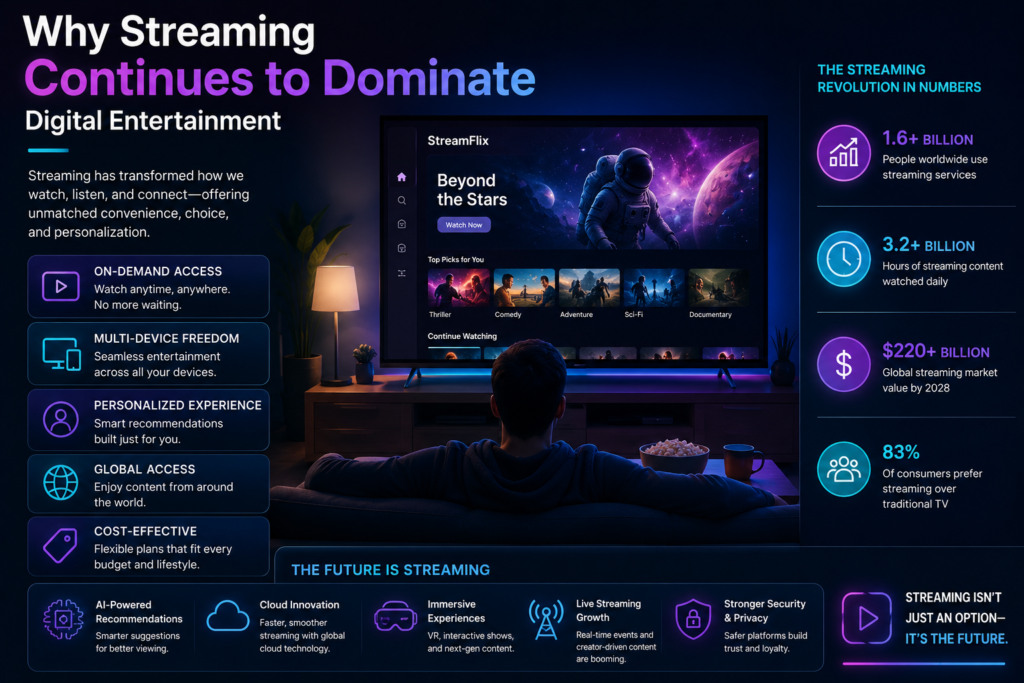
Consumer behavior has shifted dramatically over the past decade. Traditional broadcast schedules no longer dictate when audiences consume content.
Streaming provides:
- On-demand access
- Personalized recommendations
- Multi-device support
- Global accessibility
- Greater convenience
This transformation explains why streaming platforms remain central to modern digital entertainment strategies.
As technology advances further, viewers can expect increasingly immersive and seamless experiences.
Final Thoughts
Streemaus has become a topic of interest among users exploring browser-based streaming options in 2026. Its appeal lies in convenience, accessibility, and the broader trend toward flexible digital entertainment.
Like any online streaming platform, Streemaus should be evaluated carefully in terms of safety, legality, performance, and user experience. Understanding how streaming technology works allows consumers to make informed decisions while enjoying online content responsibly.
As the streaming industry continues evolving through artificial intelligence, cloud computing, and advanced video delivery systems, platforms similar to Streemaus will likely remain part of the ongoing transformation of digital media consumption.
Whether you are a casual viewer or a dedicated streaming enthusiast, staying informed about streaming technologies, security practices, and content regulations will help you navigate the online entertainment landscape with confidence.
Frequently Asked Questions
1. What is Streemaus?
Streemaus is generally described as a browser-based streaming platform that allows users to access video content through an internet connection without extensive software installation.
2. Is Streemaus safe to use?
Safety depends on factors such as website security, user behavior, privacy practices, and device protection. Users should follow standard cybersecurity best practices.
3. Does Streemaus work on mobile devices?
Many browser-based streaming platforms are designed to function on smartphones, tablets, laptops, and desktop computers.
4. Is Streemaus legal?
Legality depends on content licensing agreements, copyright compliance, and local regulations. Users should verify applicable laws in their region.
5. What makes Streemaus different from traditional streaming services?
Streemaus is often associated with browser-based accessibility, allowing users to access content directly through a web browser without relying heavily on dedicated applications.