
In today’s competitive manufacturing and printing industries, surface finishing plays a critical role in product quality, durability, and visual appeal. One technology that continues to gain attention across multiple sectors is Uvlack. Known for its fast curing process, exceptional durability, and premium finish, Uvlack has become a preferred coating solution for packaging, furniture, automotive components, electronics, and commercial printing.
As businesses increasingly seek sustainable and high-performance finishing solutions, understanding how Uvlack works and where it delivers the most value is more important than ever. This comprehensive guide explores UV-cured coatings, their benefits, industrial applications, environmental advantages, and future trends shaping the industry in 2026.
What Is Uvlack?
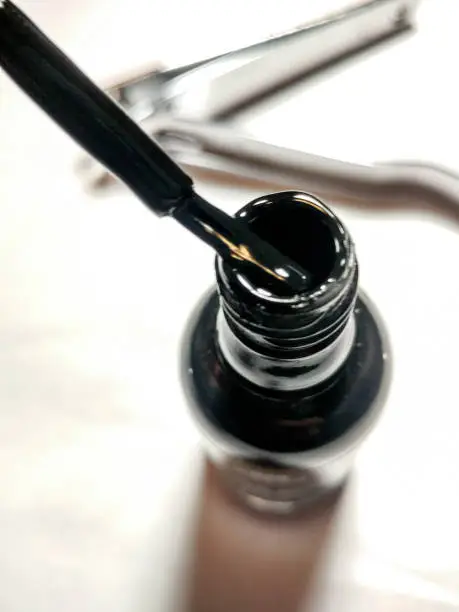
Uvlack refers to a UV-curable lacquer or coating that hardens instantly when exposed to ultraviolet light. Unlike traditional coatings that rely on evaporation or heat drying, UV-cured coatings undergo a chemical reaction triggered by UV radiation.
This process creates a highly durable protective layer that enhances appearance while improving resistance to scratches, chemicals, moisture, and wear.
Today, Uvlack is widely used in:
- Commercial printing
- Product packaging
- Furniture manufacturing
- Automotive finishing
- Electronics production
- Industrial equipment coatings
Its ability to deliver premium results while reducing production time has made it a valuable technology across modern manufacturing environments.
How UV-Cured Coatings Work
The science behind Uvlack is surprisingly efficient.
When the liquid coating is applied to a surface, it remains wet until exposed to ultraviolet light. Special ingredients known as photoinitiators absorb UV energy and trigger rapid polymerization.
The curing process typically involves:
- Surface preparation
- Application of UV coating
- Exposure to UV lamps
- Instant hardening
- Quality inspection
Unlike conventional paints or varnishes that may require hours to dry, UV-curable coatings often cure within seconds.
This speed significantly improves manufacturing efficiency while maintaining consistent coating quality.
Key Components of Uvlack Technology
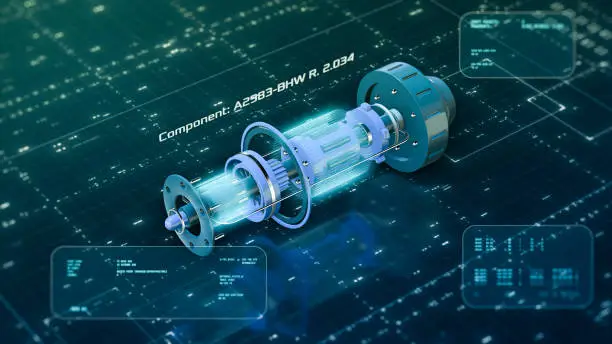
Several specialized ingredients contribute to the performance of Uvlack coatings.
Photoinitiators
Photoinitiators absorb ultraviolet energy and initiate the curing reaction. They are essential for transforming liquid coatings into solid protective layers.
Oligomers
Oligomers form the backbone of the coating and determine characteristics such as flexibility, hardness, and chemical resistance.
Monomers
Monomers help control viscosity and contribute to the final mechanical properties of the cured coating.
Additives
Various additives improve performance by enhancing gloss, scratch resistance, UV stability, and surface smoothness.
The precise combination of these components determines how a UV-cured coating performs in specific applications.
Major Benefits of Uvlack
The growing popularity of Uvlack is largely due to its extensive advantages compared to traditional coating technologies.
Exceptional Durability
UV-cured coatings create a highly cross-linked surface structure, resulting in outstanding durability.
Benefits include:
- Scratch resistance
- Abrasion resistance
- Chemical resistance
- Moisture protection
- Long-lasting performance
These qualities make Uvlack particularly valuable for products exposed to daily wear and harsh environments.
Superior Visual Appearance
Many manufacturers choose Uvlack because of its ability to create visually impressive finishes.
Common aesthetic benefits include:
- High gloss surfaces
- Rich color enhancement
- Improved depth and clarity
- Smooth texture
- Premium product presentation
Luxury packaging and high-end printed materials often rely on UV coatings to achieve a sophisticated appearance.
Fast Production Speed
One of the biggest advantages of Uvlack is instant curing.
Traditional coatings may require:
- Air drying
- Heat curing
- Extended production delays
UV-cured coatings eliminate these bottlenecks, allowing manufacturers to process products almost immediately after application.
Reduced Operational Costs
Although UV equipment requires an initial investment, businesses often achieve long-term savings through:
- Faster production cycles
- Lower labor costs
- Reduced waste
- Improved throughput
- Less storage space for drying products
These efficiencies contribute to a favorable return on investment.
Consistent Quality
Because curing occurs under controlled conditions, Uvlack delivers highly repeatable results.
Manufacturers benefit from:
- Uniform coating thickness
- Reliable adhesion
- Consistent gloss levels
- Reduced defects
- Better quality control
This consistency is particularly important in large-scale industrial production.
Types of Uvlack Finishes
Not all UV coatings produce the same visual effect. Different formulations allow manufacturers to achieve specific aesthetic and functional goals.
High Gloss Uvlack
High gloss coatings provide:
- Reflective surfaces
- Enhanced color vibrancy
- Luxury appearance
- Strong visual impact
These coatings are common in premium packaging and marketing materials.
Matte Uvlack
Matte finishes offer a softer, more refined appearance.
Benefits include:
- Reduced glare
- Elegant presentation
- Modern aesthetics
- Fingerprint resistance
Matte coatings are increasingly popular in consumer electronics and luxury branding.
Satin Finish
Satin coatings balance gloss and matte characteristics.
They provide:
- Subtle sheen
- Professional appearance
- Good durability
- Versatile application options
Spot UV Coating
Spot UV selectively highlights specific design elements.
Common uses include:
- Logos
- Product names
- Images
- Decorative patterns
This technique creates contrast and visual interest, making packaging and printed materials stand out.
Industrial Applications of Uvlack
The versatility of Uvlack has led to widespread adoption across numerous industries.
Printing and Packaging
Printing remains one of the largest users of UV-cured coatings.
Applications include:
- Product packaging
- Magazine covers
- Business cards
- Brochures
- Labels
UV coatings enhance both protection and visual appeal.
Furniture Manufacturing
Furniture producers use Uvlack to protect wood surfaces while maintaining natural beauty.
Benefits include:
- Scratch resistance
- Moisture protection
- Improved longevity
- Enhanced aesthetics
Tables, cabinets, flooring, and decorative panels often receive UV-cured finishes.
Automotive Industry
The automotive sector demands coatings capable of withstanding harsh environmental conditions.
UV-cured coatings help protect:
- Interior trim
- Dashboard components
- Decorative panels
- Exterior accessories
Manufacturers appreciate the durability and production efficiency these coatings provide.
Electronics Industry
Consumer electronics frequently feature UV-coated surfaces.
Applications include:
- Smartphones
- Laptops
- Appliances
- Display panels
UV coatings help maintain attractive appearances while resisting wear from regular use.
Industrial Equipment
Factories and industrial facilities use Uvlack coatings to protect machinery and components from:
- Corrosion
- Chemical exposure
- Mechanical wear
- Environmental damage
This extends equipment lifespan and reduces maintenance costs.
Uvlack vs Traditional Coating Methods
Understanding how Uvlack compares with conventional finishes helps businesses make informed decisions.
Drying Speed
Traditional coatings may require several hours or even days to fully cure.
UV coatings cure almost instantly.
Durability
UV-cured coatings generally provide superior resistance to scratches, chemicals, and abrasion.
Production Efficiency
Faster curing allows manufacturers to increase throughput and reduce production delays.
Surface Quality
UV coatings often produce smoother and more uniform finishes.
Environmental Impact
Many UV-curable coatings contain lower levels of volatile organic compounds compared to traditional solvent-based systems.
These advantages explain why many industries continue transitioning toward UV-curing technologies.
Environmental Advantages of UV-Cured Coatings
Sustainability has become a major priority for manufacturers worldwide.
Fortunately, Uvlack offers several environmental benefits.
Reduced VOC Emissions
Many traditional coatings release volatile organic compounds during drying.
UV-cured coatings significantly reduce these emissions, contributing to improved air quality.
Lower Energy Consumption
Because curing occurs rapidly, less energy is often required compared to heat-based drying systems.
Reduced Waste
Instant curing minimizes product damage and coating waste.
Manufacturers can achieve higher efficiency while reducing material consumption.
Improved Workplace Safety
Lower emissions and cleaner production environments support healthier working conditions.
As environmental regulations continue evolving, UV-curable technologies are becoming increasingly attractive.
Emerging Trends in Uvlack Technology
The future of Uvlack continues to evolve as manufacturers seek greater performance and sustainability.
UV LED Curing Systems
UV LED technology is gaining popularity due to:
- Lower energy consumption
- Longer equipment lifespan
- Reduced maintenance
- Improved environmental performance
Many facilities are replacing traditional mercury-based UV lamps with LED alternatives.
Smart Coatings
Researchers are developing advanced coatings with enhanced functionality.
Potential features include:
- Self-healing properties
- Antimicrobial protection
- Anti-fingerprint surfaces
- Improved chemical resistance
Sustainable Formulations
Manufacturers increasingly focus on renewable raw materials and environmentally friendly ingredients.
These innovations support sustainability goals without sacrificing performance.
Digital Printing Integration
As digital printing expands, UV-curable coatings are becoming more integrated into automated production workflows.
This trend is expected to accelerate throughout 2026 and beyond.
Best Practices for Using Uvlack
To maximize the benefits of Uvlack, manufacturers should follow established best practices.
Proper Surface Preparation
Clean, contaminant-free surfaces improve coating adhesion and performance.
Equipment Maintenance
Regular maintenance of UV curing systems ensures consistent curing quality.
Process Optimization
Monitoring curing intensity, coating thickness, and application parameters helps achieve optimal results.
Quality Testing
Routine testing verifies:
- Adhesion
- Hardness
- Gloss levels
- Chemical resistance
Consistent quality control protects both product performance and brand reputation.
Conclusion
Uvlack has transformed modern surface finishing by combining speed, durability, aesthetics, and efficiency into a single technology. From luxury packaging and commercial printing to furniture manufacturing and industrial equipment protection, UV-cured coatings continue delivering exceptional value across countless applications.
As industries prioritize sustainability, productivity, and premium product presentation, the role of Uvlack is becoming even more significant. Innovations such as UV LED curing, smart coatings, and environmentally friendly formulations are expanding the possibilities of UV-curable technology.
For businesses seeking reliable, high-performance surface protection in 2026, Uvlack remains one of the most advanced and versatile coating solutions available today.
Frequently Asked Questions
What is Uvlack used for?
Uvlack is used for protective and decorative coatings in printing, packaging, furniture, automotive parts, electronics, and industrial manufacturing.
How does Uvlack cure?
Uvlack cures when exposed to ultraviolet light, which triggers a chemical reaction that instantly hardens the coating.
Is Uvlack environmentally friendly?
Many UV-cured coatings produce lower VOC emissions and consume less energy than traditional solvent-based coating systems.
What are the advantages of Uvlack over traditional varnish?
Uvlack offers faster curing, greater durability, improved scratch resistance, better appearance, and increased production efficiency.
Can Uvlack be applied to wood surfaces?
Yes. Uvlack is commonly used on furniture, flooring, cabinets, and decorative wood products because it provides durable protection and an attractive finish.