
Understanding Drinking Rules in England is essential whether you are a resident, tourist, student, parent, or business owner. England has a unique set of alcohol laws that balance personal freedom with public safety. While many people know that the legal drinking age is 18, the reality is more nuanced. Rules vary depending on where alcohol is consumed, who is purchasing it, and whether local authorities have imposed additional restrictions.
As we move through 2026, staying informed about Drinking Rules in England helps prevent misunderstandings, legal issues, and unnecessary penalties. This comprehensive guide explains the legal age limits, public drinking regulations, licensing laws, enforcement powers, and other important alcohol-related rules that apply throughout England.
Understanding Drinking Rules in England
The Drinking Rules in England are governed by national legislation and local regulations. These laws are designed to reduce alcohol-related harm while allowing responsible adults to enjoy alcoholic beverages legally.
Unlike some countries that completely prohibit underage alcohol consumption, England’s alcohol laws include several exceptions. This often causes confusion among both residents and visitors.
The main areas covered by Drinking Rules in England include:
- Minimum age requirements
- Alcohol purchases
- Consumption by minors
- Public drinking regulations
- Licensing requirements
- Enforcement powers
- Penalties for violations
Understanding these areas provides a clear picture of how alcohol laws operate across England.
The Legal Drinking Age in England
One of the most important aspects of Drinking Rules in England is the legal drinking age.
The legal age to purchase alcohol in England is 18 years old. This rule applies to:
- Pubs
- Bars
- Restaurants
- Nightclubs
- Supermarkets
- Convenience stores
- Online alcohol retailers
Businesses that sell alcohol must verify age when necessary. Many establishments operate under a “Challenge 25” policy, requiring customers who appear under 25 to provide valid identification.
Acceptable forms of identification typically include:
- Passport
- Driving licence
- Approved proof-of-age card
Retailers can face significant penalties for selling alcohol to minors.
Buying Alcohol: What the Law Says
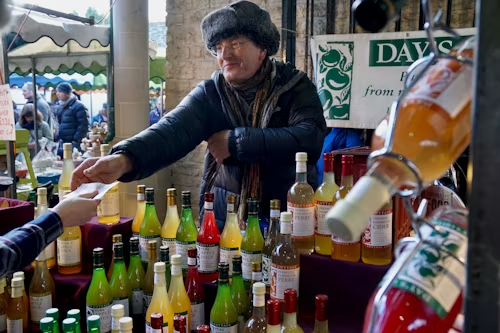
Under Drinking Rules in England, purchasing alcohol for someone under 18 is generally prohibited.
This includes situations where:
- An adult buys alcohol specifically for minors.
- Young people attempt to use fake identification.
- Adults facilitate underage drinking in public places.
Licensed premises and stores have a legal obligation to prevent underage sales.
Businesses that repeatedly violate alcohol sales regulations may face:
- Heavy fines
- Licence reviews
- Suspension of alcohol licences
- Permanent licence revocation
As a result, age verification procedures have become increasingly strict throughout England.
Drinking Alcohol Under 18
One of the most misunderstood parts of Drinking Rules in England involves alcohol consumption by minors.
While under-18s cannot legally purchase alcohol, certain exceptions exist.
Drinking at Home
In England, children aged five and older may legally consume alcohol in a private home under parental supervision. However, health professionals strongly discourage alcohol consumption among children.
Research consistently shows that delaying alcohol use contributes to healthier long-term outcomes.
Drinking in Licensed Premises
Young people aged 16 or 17 may drink beer, wine, or cider with a meal in licensed premises when accompanied by an adult.
Important conditions apply:
- The alcohol must be purchased by an adult.
- The drink must accompany a meal.
- Spirits are not included in this exception.
This exception is one reason why Drinking Rules in England are often considered more flexible than alcohol laws in many other countries
Public Drinking Laws in England
Public drinking is another area where misconceptions are common.
Many people assume drinking alcohol in public is automatically illegal. However, the reality under Drinking Rules in England is more complex.
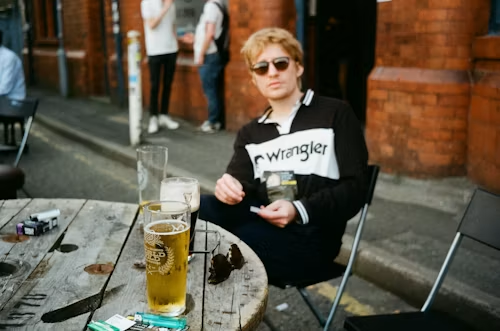
There is no nationwide law that prohibits adults from drinking alcohol in public places.
In many areas, individuals can legally consume alcohol in:
- Parks
- Beaches
- Public squares
- Streets
- Picnic areas
However, local restrictions may apply.
Authorities can intervene if alcohol consumption contributes to:
- Anti-social behaviour
- Public disorder
- Threatening conduct
- Noise disturbances
This distinction is important because legality often depends on behaviour rather than simply possessing alcohol.
Local Council Restrictions and Public Spaces
Although England has no blanket ban on public drinking, local authorities have powers to regulate alcohol consumption in specific areas.
Many councils designate alcohol-control zones where police and enforcement officers have additional authority.
Under these local regulations, officers may require individuals to:
- Stop drinking alcohol
- Surrender alcoholic beverages
- Leave designated areas
Failure to comply can result in penalties.
When reviewing Drinking Rules in England, it is essential to understand that local regulations may vary significantly from one city to another.
Popular tourist destinations often enforce stricter controls to reduce alcohol-related disturbances.
Alcohol Licensing Laws for Businesses
The Licensing Act remains the foundation of alcohol regulation for businesses in England.
Any establishment wishing to sell alcohol must obtain the appropriate licence.
Licensed premises include:
- Pubs
- Restaurants
- Hotels
- Sports venues
- Nightclubs
- Event spaces
Licensing authorities evaluate applications based on objectives such as:
Prevention of Crime and Disorder
Businesses must demonstrate measures that reduce alcohol-related incidents.
Public Safety
Venues must provide a safe environment for customers and staff.
Prevention of Public Nuisance
Authorities consider potential impacts on local communities.
Protection of Children from Harm
Businesses must implement age-verification systems and staff training procedures.
These requirements form a critical component of Drinking Rules in England and influence how alcohol is sold across the country.
Penalties for Breaking Alcohol Laws
Violating alcohol laws can lead to serious consequences.
Penalties depend on the specific offence and circumstances involved.
Common violations include:
Selling Alcohol to Minors
Businesses may face:
- Significant fines
- Licence reviews
- Criminal proceedings
Using Fake Identification
Individuals caught using false documents may face legal action and financial penalties.
Refusing Police Instructions
Where officers have lawful authority to confiscate alcohol, refusal may result in fines or arrest.
Public Disorder
Alcohol-related anti-social behaviour can lead to fixed penalty notices or criminal charges.
Understanding these consequences helps individuals comply with Drinking Rules in England and avoid unnecessary legal problems.
Drinking Rules for Tourists and Visitors
Visitors to England are often surprised by some aspects of local alcohol laws.
Tourists should remember the following:
- The purchasing age is 18.
- Identification may be requested even if you are older than 18.
- Public drinking may be permitted depending on location.
- Local restrictions can override general permissions.
- Alcohol laws are actively enforced.
When visiting cities such as London, Manchester, Liverpool, or Birmingham, checking local regulations can help avoid confusion.
Many tourists assume that drinking in public is universally prohibited, but Drinking Rules in England differ from those in several other countries.
Responsible Drinking Guidelines
While legal compliance is important, responsible alcohol consumption is equally essential.
Health authorities encourage adults to drink within recommended limits.
Responsible drinking practices include:
- Staying hydrated
- Avoiding excessive binge drinking
- Planning safe transportation
- Respecting local communities
- Monitoring alcohol intake
Responsible behaviour reduces risks associated with accidents, injuries, and alcohol-related health conditions.
The purpose of Drinking Rules in England extends beyond enforcement; they also support safer communities and healthier lifestyles.
Key Changes and Considerations for 2026
As of 2026, the core alcohol laws in England remain largely stable, but enforcement practices continue to evolve.
Several ongoing trends are influencing alcohol regulation:
Stronger Age Verification
Retailers increasingly rely on digital verification systems and stricter compliance checks.
Enhanced Licensing Enforcement
Local authorities continue to monitor licensed premises more closely.
Public Space Management
Councils are expanding alcohol-control measures in areas experiencing anti-social behaviour.
Greater Public Awareness
Educational campaigns promote responsible drinking and encourage compliance with local regulations.
These developments reinforce the importance of understanding current Drinking Rules in England rather than relying on outdated assumptions.
Conclusion
Understanding Drinking Rules in England is essential for anyone who purchases, consumes, sells, or serves alcohol. While the legal age to buy alcohol is 18, several exceptions and local regulations create a more detailed legal framework than many people realize.
Public drinking is not automatically illegal, but local authorities may impose restrictions in specific areas. Businesses must comply with strict licensing requirements, and significant penalties exist for underage sales or alcohol-related offences.
Whether you are a resident, parent, student, business owner, or visitor, staying informed about Drinking Rules in England helps ensure legal compliance, responsible behaviour, and a safer experience for everyone.