
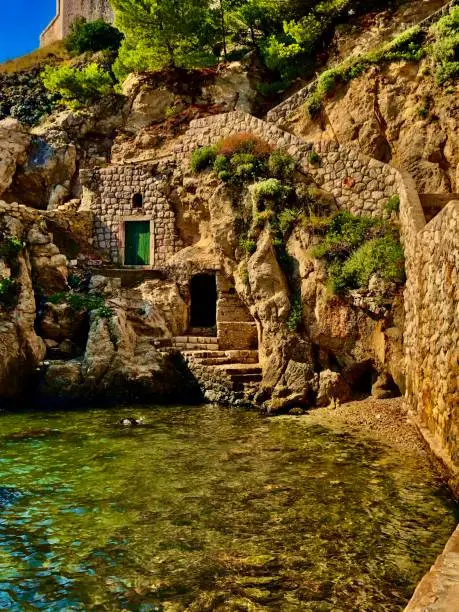

Few travel destinations combine natural beauty, fascinating history, and an unusual location quite like Durovica Cave. Hidden beneath the runway of Dubrovnik Airport in Croatia, this remarkable underground attraction remains one of the region’s lesser-known treasures. While many visitors come to Dubrovnik for its medieval walls, crystal-clear Adriatic waters, and historic landmarks, those who venture underground discover a completely different side of the area.
Durovica Cave offers an unforgettable journey through ancient geological formations, archaeological discoveries, and a unique subterranean world shaped over thousands of years. Its location beneath an active airport runway only adds to its intrigue, making it one of the most unusual caves in Europe.
Whether you’re a traveler seeking hidden gems, a history enthusiast, or someone fascinated by natural wonders, this guide explores everything you need to know about Durovica Cave, including its history, geology, significance, visitor experience, and cultural importance.
Introduction to Durovica Cave
Located near Dubrovnik in southern Croatia, Durovica Cave is an underground karst cave renowned for its stunning natural formations and historical significance. Known locally as Đurovića Cave, it lies beneath the area surrounding Dubrovnik Airport, creating a rare combination of natural wonder and modern infrastructure.
Unlike some of Croatia’s more famous cave systems, Durovica Cave remains relatively undiscovered by mass tourism. This makes it especially appealing to travelers looking for authentic experiences away from crowded attractions.
The cave provides visitors with an opportunity to witness spectacular stalactites, stalagmites, underground chambers, and evidence of human activity dating back centuries.
The Unique Location Beneath Dubrovnik Airport
One of the most fascinating aspects of Durovica Cave is its location directly beneath the runway of Dubrovnik Airport.
At first glance, it seems impossible that a fragile underground cave could exist beneath a busy transportation hub. However, the cave was carefully studied and preserved during airport development, allowing both structures to coexist safely.
This unusual setting has helped make Durovica Cave famous among travel enthusiasts and geology lovers. Visitors often find it astonishing that aircraft can land and take off overhead while a peaceful underground world exists below.
The contrast between modern aviation and ancient geological formations creates a memorable experience that few destinations can match.
History of Durovica Cave
The history of Durovica Cave stretches back much further than modern tourism. The cave was formed naturally over thousands of years through the dissolution of limestone rock, a process common throughout Croatia’s karst landscape.
Although local residents were aware of the cave for generations, its wider significance became clearer after systematic exploration and archaeological investigations.
Over time, researchers discovered evidence suggesting that humans used the cave during prehistoric periods. Artifacts recovered from the site helped reveal insights into the lives of ancient communities that inhabited the Dubrovnik region.
In the early 21st century, efforts were made to develop the cave as a tourist attraction while preserving its natural and historical integrity. This transformed Durovica Cave into a destination where visitors can learn about both natural history and human heritage.
Geological Formation and Natural Features
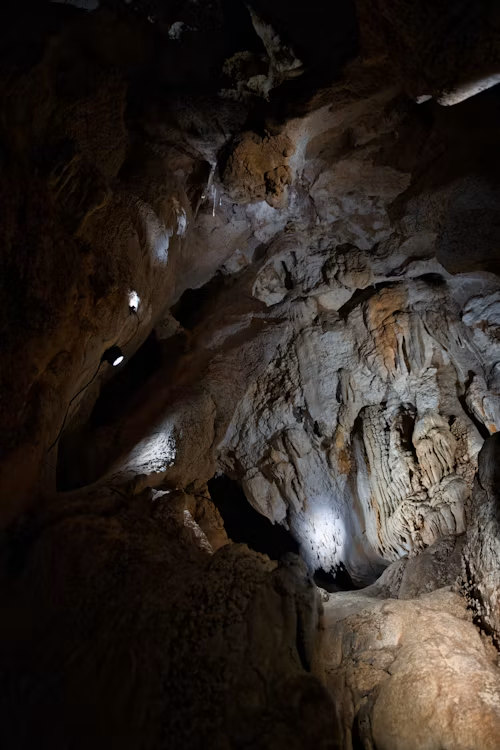
Understanding Croatia’s Karst Landscape
Croatia is internationally recognized for its karst terrain, characterized by limestone formations, sinkholes, underground rivers, and caves.
Durovica Cave developed through a geological process in which slightly acidic rainwater gradually dissolved limestone rock. Over thousands of years, this created underground passages and chambers.
Stalactites and Stalagmites
Among the cave’s most impressive features are its mineral formations.
Visitors can observe:
- Stalactites hanging from cave ceilings
- Stalagmites rising from the floor
- Flowstones created by mineral-rich water
- Decorative calcite formations
These formations grow extremely slowly, often requiring centuries or even millennia to reach their current size.
Underground Chambers
The cave contains several spacious chambers that showcase the complexity of underground geological processes.
Carefully designed pathways allow visitors to admire these spaces while minimizing environmental impact. The lighting system highlights the cave’s natural beauty without overwhelming its authentic atmosphere.
Stable Temperature
One reason many visitors appreciate Durovica Cave is its consistent temperature throughout the year.
Even during Croatia’s hot summer months, the cave remains pleasantly cool. This natural climate control makes it a refreshing escape from the Mediterranean heat.
Archaeological Discoveries Inside the Cave
The scientific importance of Durovica Cave extends beyond geology.
Archaeological excavations uncovered evidence of prehistoric human presence, making the site valuable for understanding the region’s ancient past.
Researchers discovered:
- Pottery fragments
- Stone tools
- Animal remains
- Cultural artifacts from prehistoric settlements
These findings suggest that the cave served various purposes throughout history, including shelter and temporary habitation.
The discoveries provide a fascinating glimpse into how ancient communities adapted to their environment and utilized natural resources.
For visitors, learning about these archaeological findings adds another dimension to the experience. Durovica Cave is not simply a natural attraction—it is also a window into human history.
The Visitor Experience
Entering the Cave
A visit to Durovica Cave typically begins near Dubrovnik Airport, where visitors descend into the underground environment through a specially developed entrance.
As natural daylight fades, the atmosphere changes dramatically. The sound of the outside world disappears, replaced by the quiet stillness of the cave.
Guided Tours
Many visitors prefer guided tours because they provide valuable insights into the cave’s geology, archaeology, and history.
Knowledgeable guides often explain:
- How the cave formed
- The significance of archaeological discoveries
- Local legends and stories
- Conservation efforts
These tours help transform a simple walk through the cave into an educational journey.
Photography Opportunities
The dramatic lighting and natural formations create excellent photography opportunities.
Popular subjects include:
- Large stalactite formations
- Illuminated chambers
- Textured limestone walls
- Unique mineral patterns
Photographers often appreciate the contrast between light and shadow within the cave environment.
Why Durovica Cave Is Important to Croatian Tourism
Croatia attracts millions of visitors annually, many of whom focus on coastal destinations.
However, attractions such as Durovica Cave help showcase the country’s diverse natural heritage. They encourage travelers to explore beyond beaches and historic city centers.
The cave contributes to:
- Sustainable tourism development
- Cultural preservation
- Educational tourism
- Regional economic growth
By highlighting lesser-known attractions, Croatia can offer richer travel experiences while reducing pressure on overcrowded sites.
For Dubrovnik specifically, Durovica Cave provides a unique complement to the city’s famous historical attractions.
Best Time to Visit Dubrovnik and Nearby Attractions
Although Durovica Cave maintains a comfortable temperature year-round, the broader Dubrovnik region experiences seasonal variations.
Spring
Spring offers mild weather, fewer crowds, and vibrant landscapes. It is often considered one of the best times to explore the area.
Summer
Summer is the busiest tourist season. While temperatures can become quite warm outdoors, the cool interior of Durovica Cave provides welcome relief.
Autumn
Autumn combines pleasant weather with reduced visitor numbers, making it ideal for sightseeing.
Winter
Winter brings a quieter atmosphere to Dubrovnik. Visitors can enjoy major attractions without peak-season crowds.
Nearby Attractions
After visiting Durovica Cave, travelers may also enjoy:
- Dubrovnik Old Town
- City Walls of Dubrovnik
- Lokrum Island
- Cavtat
- Adriatic coastal viewpoints
- Historical museums and galleries
Combining these attractions creates a well-rounded Croatian travel experience.
Conservation and Preservation Efforts
Protecting Durovica Cave is essential for future generations.
Caves are delicate ecosystems, and even minor disturbances can cause lasting damage.
Conservation measures often focus on:
Environmental Protection
Limiting visitor impact helps preserve natural formations and underground habitats.
Controlled Access
Managed tourism ensures that visitor numbers remain sustainable.
Scientific Research
Ongoing studies improve understanding of the cave’s geological and archaeological significance.
Public Education
Educational programs encourage visitors to respect the cave environment and support conservation initiatives.
These efforts help maintain the cave’s beauty while allowing people to experience its wonders responsibly.
Interesting Facts About Durovica Cave
Here are some fascinating facts that make Durovica Cave stand out:
- The cave is located beneath Dubrovnik Airport’s runway.
- It formed through natural limestone erosion over thousands of years.
- Archaeological discoveries indicate prehistoric human activity.
- The cave remains cool throughout the year.
- Its geological formations continue growing very slowly today.
- It represents an important example of Croatia’s karst landscape.
- The cave combines natural history, archaeology, and tourism in one destination.
- Many visitors consider it one of Dubrovnik’s best hidden attractions.
- The cave offers a unique alternative to traditional sightseeing.
- Conservation efforts help protect its fragile ecosystem.
Why Travelers Should Add Durovica Cave to Their Itinerary
Many travelers spend their entire Dubrovnik trip exploring historic streets and coastal scenery.
While these attractions are undoubtedly impressive, Durovica Cave offers something completely different.
It provides:
- A break from crowded tourist areas
- Educational value
- Unique geological features
- Historical insights
- Comfortable temperatures
- Memorable photography opportunities
The cave demonstrates that some of Croatia’s most fascinating experiences exist below the surface.
For travelers interested in nature, science, history, or unusual destinations, this hidden underground wonder deserves a place on the itinerary.
Conclusion
Durovica Cave is one of Croatia’s most intriguing hidden attractions. Situated beneath Dubrovnik Airport, it combines extraordinary geological formations, archaeological significance, and a fascinating history that stretches back thousands of years.
From stunning stalactites and stalagmites to evidence of prehistoric human activity, every section of Durovica Cave tells a story. Its unique location, educational value, and natural beauty make it far more than just another tourist stop.
Whether you are exploring Dubrovnik for the first time or searching for lesser-known destinations in Croatia, Durovica Cave offers an unforgettable journey into an underground world where nature, history, and human curiosity meet.