


James Comey remains a central figure in modern governance discussions. He led during a time of intense political pressure, and his choices shaped public debate. Because of this, many people still examine his leadership today. In this article, you will explore his career, major decisions, and long-term impact.
Early Life and Education
James Comey was born in 1960 and grew up in a family that valued discipline and education. From an early age, he showed strong interest in law and justice. Later, he studied law at the University of Chicago. As a result, he developed sharp analytical skills that helped him succeed in his career.
Early Legal Career
After completing his studies, Comey started working as a federal prosecutor. During this time, he handled complex criminal cases. In addition, he built a strong reputation for honesty and professionalism. Because he focused on fairness, many colleagues respected his work. This early experience prepared him for higher roles in government.
Role in the Department of Justice
Comey later joined the Department of Justice, where he handled critical legal matters. At this stage, he made several important decisions that showed his commitment to the rule of law. For example, he supported actions based on legal principles rather than political pressure. Therefore, people began to see him as a leader who valued integrity.
Appointment as FBI Director
In 2013, he became the Director of the FBI. Both political parties supported his appointment, which showed trust in his leadership. As director, he managed national security cases and criminal investigations. Moreover, he worked to maintain the credibility of the institution.
Leadership and Major Decisions
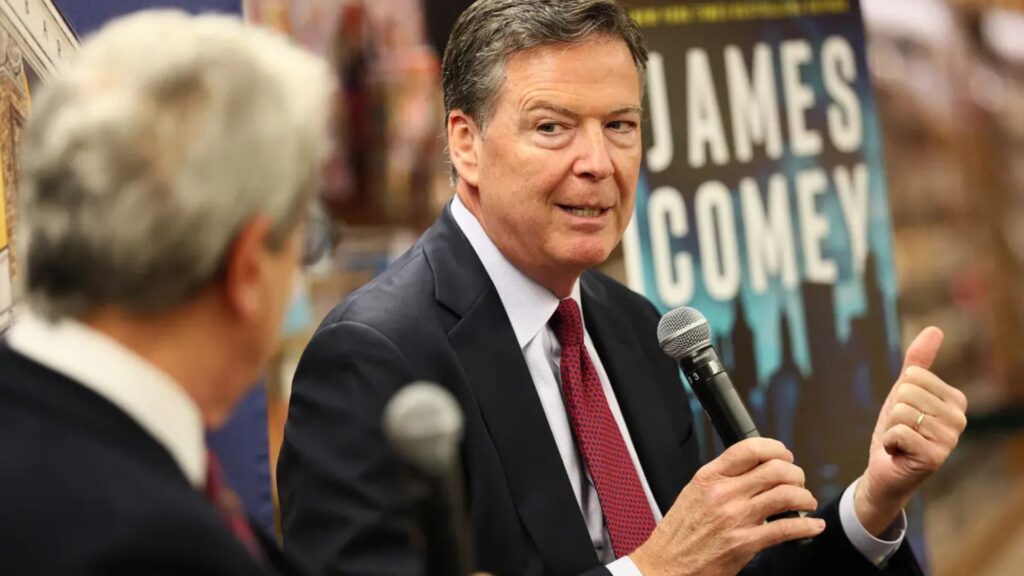
During his time as director, Comey handled several high-profile investigations. He often chose transparency, even when situations were sensitive. However, this approach sometimes created controversy. On one hand, some people praised his openness. On the other hand, others believed he shared too much information.
The 2016 Election Controversy
One of the most important moments in his career came during the 2016 election. He made public statements about an ongoing investigation involving a political figure. As a result, the decision sparked strong reactions. Some argued that he acted responsibly. However, others believed his actions influenced public opinion. Because of this, debates about his judgment continue today.
Relationship with Political Leaders
Comey often worked with top political leaders. However, he insisted on maintaining independence in his role. Because of this stance, tensions sometimes developed. Nevertheless, he continued to focus on legal responsibilities rather than political demands. This approach highlights the challenge of balancing power and accountability.
Dismissal and Its Impact
In 2017, Comey lost his position as FBI Director. This decision quickly became a major national issue. As a result, many people questioned the independence of government institutions. After his dismissal, he spoke publicly about his experiences. Therefore, he remained an influential voice in discussions about leadership and ethics.
Public Perception and Legacy
Public opinion about James Comey remains divided. Some people see him as a principled leader. In contrast, others criticize his decisions. Even so, his actions clearly shaped modern political discussions. Because of this, his legacy continues to influence how people view leadership in public service.
Leadership Style and Ethics
Comey’s leadership style focused on values such as honesty and accountability. He encouraged open communication within his team. In addition, he set clear ethical standards. Therefore, many people describe his approach as disciplined and principled. These qualities played a key role in his career.
Impact on Institutional Trust
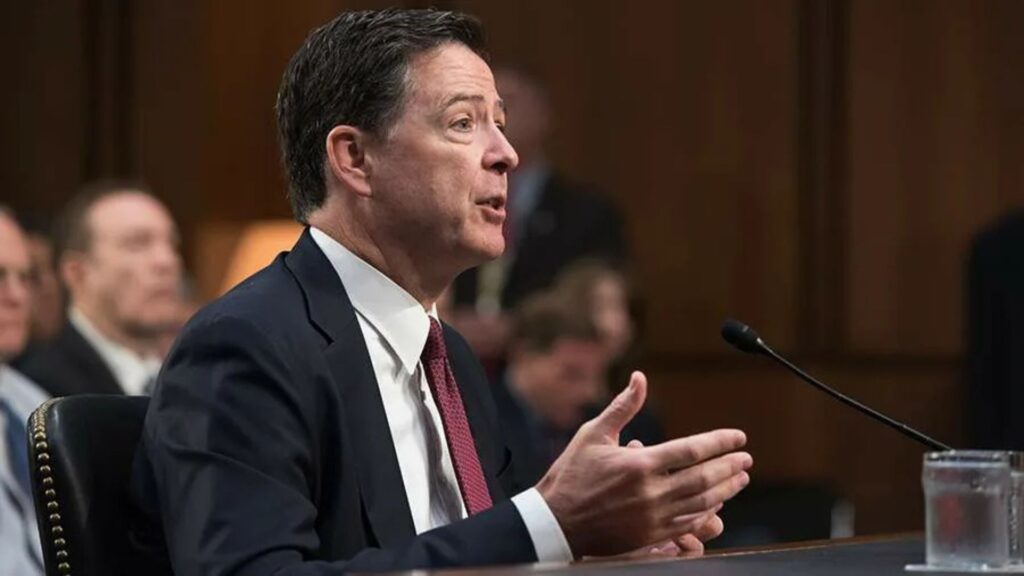
Comey’s decisions had a strong effect on public trust. On one side, his transparency helped build credibility. On the other side, some actions created doubt among the public. As a result, his career shows how leadership can both strengthen and challenge trust.
Key Lessons from His Career
There are several lessons from Comey’s journey. First, leaders must stay committed to ethical values. Second, they should communicate clearly during difficult situations. Finally, they must understand that every major decision carries long-term consequences. Therefore, leadership requires both courage and responsibility.
Conclusion
James Comey’s career offers valuable insights into leadership under pressure. He made decisions that shaped national conversations and influenced public trust. Although opinions about him differ, his impact remains significant. In the end, his story shows how leadership, ethics, and accountability connect in complex ways.
FAQs
Who is James Comey?
James Comey is a former FBI Director known for his leadership during major national events.
Why is James Comey important?
He played a key role in major investigations and influenced public discussions on governance.
What happened in 2017?
In 2017, he was removed from his role as FBI Director, which sparked national debate.
What defines his leadership style?
His leadership focuses on ethics, transparency, and accountability.
What can we learn from his career?
His career teaches the importance of integrity, clear communication, and responsible decision-making.