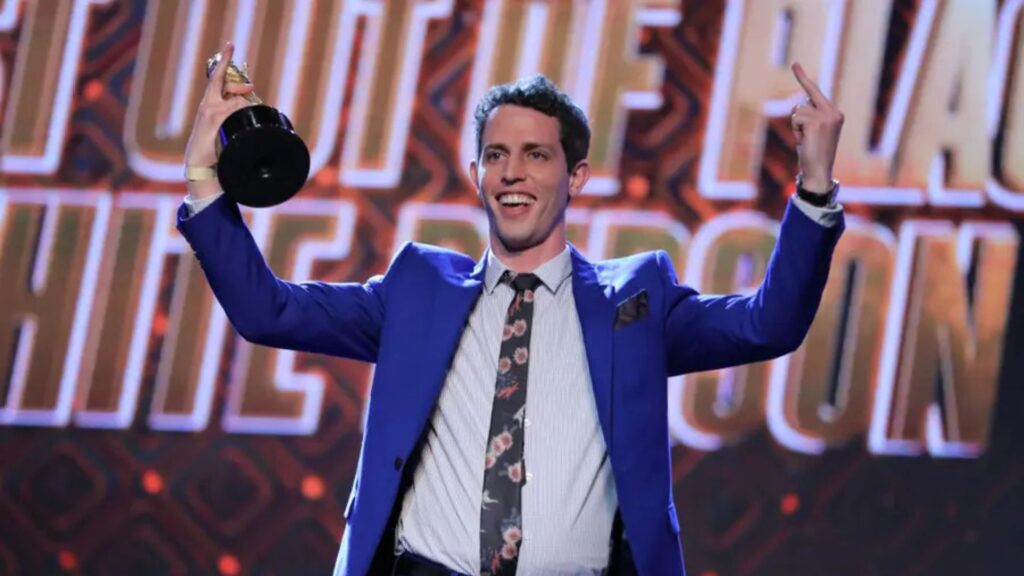

Tony Hinchcliffe has become one of the most recognized names in modern stand-up comedy because of his fearless stage style, sharp delivery, and strong presence in roast comedy culture. Over the years, he transformed from a small club performer into a well-known entertainer connected to live podcasts, touring shows, and comedy specials. His journey reflects how digital media and audience interaction changed the modern entertainment industry.
Unlike traditional comedians who mainly focus on scripted storytelling, Tony Hinchcliffe built his reputation through improvisation, crowd interaction, and quick responses. His performances often include spontaneous jokes and audience engagement, making every live event feel unpredictable. This approach helped him stand out in a competitive comedy landscape where originality matters more than ever.
The growth of podcast culture also played a major role in his success. Through live comedy podcasts and touring events, he developed a loyal audience while helping introduce rising comedians to larger crowds.
Early Life and Career Beginnings
Tony Hinchcliffe was born in Youngstown, Ohio, and later moved to Los Angeles to pursue stand-up comedy professionally. Like many comedians starting in the industry, he performed at open mic nights and worked around comedy clubs while developing his stage skills.
During his early career, he became interested in roast comedy because it allowed him to combine fast thinking with aggressive humor. Roast comedy requires confidence, timing, and the ability to react instantly to people on stage. Tony quickly developed these skills while performing regularly in comedy venues.
His sharp delivery style and fearless attitude helped him gain recognition among fellow comedians. Over time, experienced performers and comedy producers noticed his writing talent, leading to opportunities connected to major comedy events.
The Rise of Roast Comedy
Roast comedy has existed for decades, but modern streaming platforms and online audiences helped make the format more popular than ever. Tony Hinchcliffe became strongly associated with roast humor because of his ability to deliver direct insults and edgy jokes while still entertaining large audiences.
His comedy style combines sarcasm, dark humor, and improvisation. Many fans enjoy roast comedy because it feels raw and unpredictable compared to traditional scripted entertainment. Tony’s performances often create strong reactions, which helped increase his visibility online.
As streaming content became more popular, roast comedy reached younger audiences who preferred uncensored humor and live audience interaction. Tony Hinchcliffe’s performances matched this growing demand, helping him expand his audience worldwide.
Writing Success Behind Major Comedy Events
Before becoming widely known as a live performer, Tony Hinchcliffe also gained respect as a comedy writer. Writing roast material requires creativity because jokes must match personalities, current events, and audience expectations.
Comedy writing is one of the most challenging parts of entertainment because every joke must connect with live audiences instantly. Tony’s background in writing gave him an advantage when performing on stage because he already understood audience timing and reaction patterns.
His involvement in comedy writing helped him build relationships with established entertainers and producers. These opportunities allowed him to grow faster than many comedians who focused only on live performances.
Writing experience also strengthened his improvisation skills. Since roast comedy depends heavily on fast reactions, having strong writing instincts made him more effective during live events and podcasts.
How Kill Tony Changed Modern Stand-Up
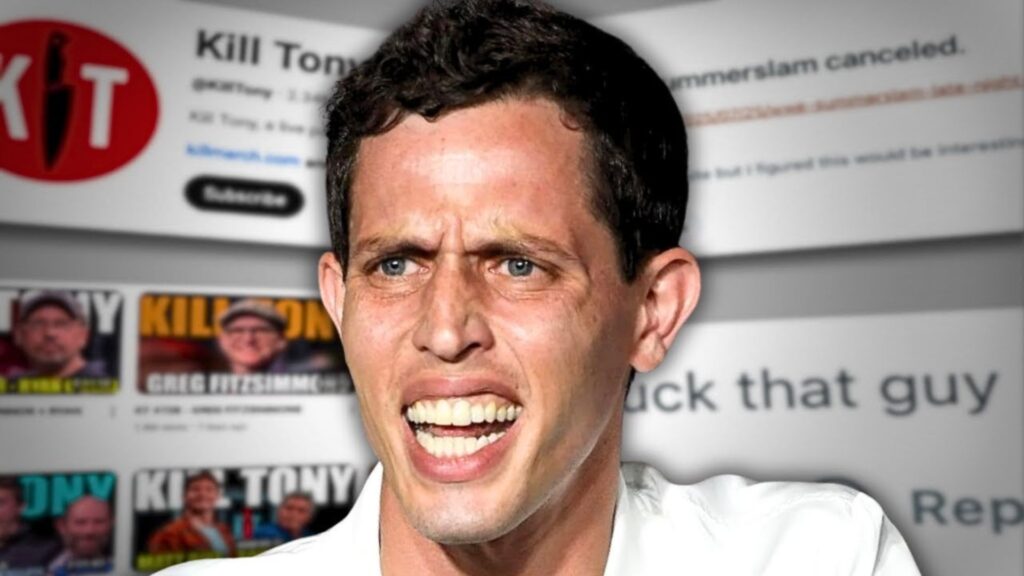
One of the biggest reasons behind Tony Hinchcliffe’s popularity is the live comedy podcast known as Kill Tony. The show introduced a different format where amateur comedians perform short sets and immediately receive feedback in front of live audiences.
This concept became extremely successful because it mixed stand-up comedy with podcast culture. Every episode feels unique because contestants are randomly selected, creating spontaneous and unpredictable moments.
The format also gave newer comedians a rare opportunity to perform in front of experienced entertainers and large audiences. For many viewers, the excitement comes from not knowing whether a performance will succeed or fail.
Kill Tony helped redefine modern comedy entertainment by proving that podcasts could become major live events. Instead of relying only on television networks, comedians could now build massive audiences independently through online content and touring shows.
Podcast Culture and Audience Growth
Podcasting changed the entertainment industry by allowing creators to connect directly with audiences. Tony Hinchcliffe benefited greatly from this shift because his conversational style works naturally in long-form discussions and live audience settings.
Modern audiences often prefer podcasts because they feel authentic and less scripted. Through regular episodes and live interactions, Tony built a loyal community that follows his work across multiple platforms.
Live podcast tours also became an important part of modern entertainment business models. Fans enjoy attending events because they combine stand-up comedy with unscripted conversation and audience participation.
Podcast culture created new opportunities for entertainers who wanted creative freedom outside traditional media systems. Tony Hinchcliffe used this freedom to develop a strong personal brand connected to live comedy and crowd engagement.
Controversies and Public Attention
Like many comedians known for edgy humor, Tony Hinchcliffe has faced criticism and controversy during his career. Roast comedy often pushes boundaries, and public reactions can vary widely depending on the topic and audience.
Some people believe comedy should remain unrestricted, while others argue certain jokes go too far. Tony’s style regularly creates discussion online because his humor is direct and intentionally provocative.
Controversy has also increased public attention around his performances. In the digital era, viral clips and social media discussions can dramatically increase visibility for entertainers. Even criticism often leads to larger audience awareness and growing curiosity about live performances.
Despite criticism, many supporters believe roast comedy depends on freedom of expression and unpredictable humor. This debate continues to shape conversations around modern stand-up entertainment.
The Business Side of Live Comedy Shows
Modern comedians are no longer limited to television appearances and small comedy clubs. Today’s entertainment industry includes touring shows, streaming content, podcast sponsorships, and live audience events.
Tony Hinchcliffe’s career reflects this transformation. Live comedy podcasts generate revenue through ticket sales, online audiences, and merchandise connected to comedy brands.
Touring has become especially important because audiences enjoy live interaction and spontaneous moments that cannot be fully recreated online. Fans often attend shows specifically for the unpredictable energy that roast comedy creates.
Digital platforms also helped comedians become independent entertainers. Instead of relying entirely on traditional media companies, performers can now distribute content directly to global audiences.
Tony Hinchcliffe’s Influence on New Comedians
One major contribution from Tony Hinchcliffe is his role in supporting emerging comedians. Through live podcast appearances and open performance opportunities, many unknown performers gained exposure before large audiences.
The structure of his comedy platform encourages quick learning because comedians receive immediate public reactions. This environment helps performers improve stage confidence and timing.
Young comedians also study his roast techniques, crowd interaction skills, and improvisation methods. Roast comedy is considered one of the most difficult forms of stand-up because it requires instant creativity and emotional control.
His influence represents a larger shift in entertainment where podcasts and digital platforms help new talent grow faster than traditional systems once allowed.
The Future of Roast Comedy and Live Podcasts
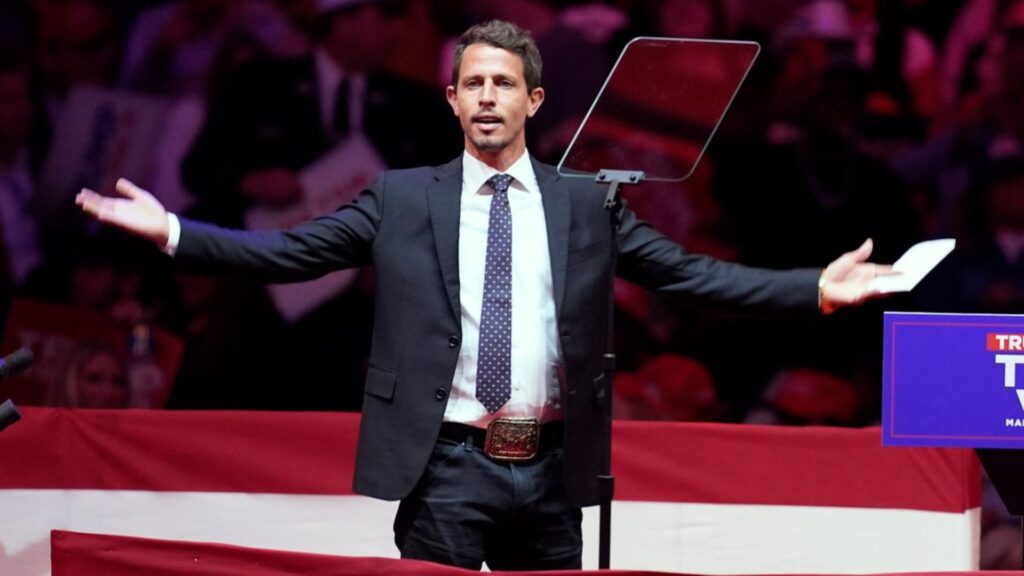
Roast comedy continues evolving alongside digital entertainment platforms. Streaming services, social media clips, and live podcasts are changing how audiences consume comedy content.
Tony Hinchcliffe remains an important figure in this evolution because he successfully combined podcasting, touring, and stand-up performance into a recognizable entertainment brand.
As live digital entertainment grows, audience interaction will likely become even more important. Modern viewers increasingly prefer unscripted experiences that feel authentic and spontaneous.
This trend suggests comedians who adapt to online platforms and live engagement will continue leading the future of stand-up comedy and podcast entertainment.
Conclusion
Tony Hinchcliffe built a successful entertainment career by combining roast comedy, podcast culture, and live audience interaction. His rise from small comedy clubs to major touring events demonstrates how digital media transformed the comedy industry.
Beyond stand-up performances, his influence helped reshape comedy podcasts and created opportunities for new performers seeking exposure. While controversy remains part of his public image, his impact on modern roast comedy and live podcast entertainment continues to grow.
As entertainment platforms continue evolving, comedians who embrace audience participation and digital distribution are likely to remain highly influential in the future.
FAQs
Who is Tony Hinchcliffe?
Tony Hinchcliffe is an American stand-up comedian, comedy writer, and podcast host known for roast humor and live audience interaction.
What is Kill Tony?
Kill Tony is a live comedy podcast where amateur comedians perform short sets and receive immediate feedback.
Why is Tony Hinchcliffe popular?
He became popular because of his roast comedy style, podcast success, and strong live performance presence.
What type of comedy does Tony Hinchcliffe perform?
He mainly performs roast comedy, insult humor, improvisational stand-up, and crowd interaction comedy.
Has Tony Hinchcliffe faced controversy?
Yes, his edgy roast-style humor has generated criticism and public debate throughout his career.
How did podcasting help Tony Hinchcliffe?
Podcasting helped him build a loyal audience, expand touring opportunities, and grow his comedy brand globally.